We Don’t Need to Fight Each Other” — Portable Responds to False Bandit Alerts Targeting Fulani and Hausa Communities
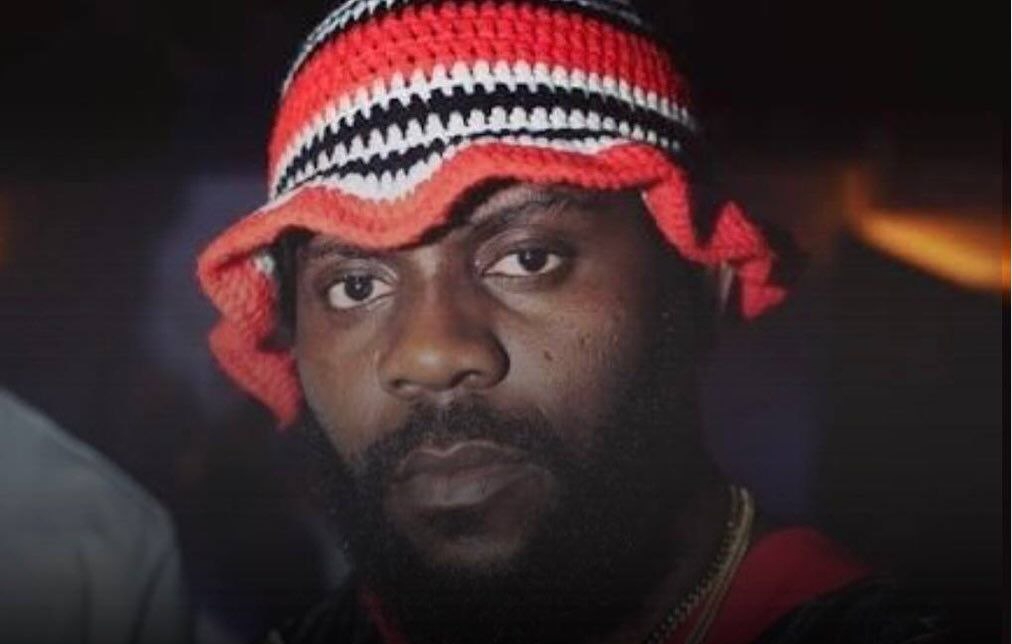
Controversial Nigerian artist Portable has spoken out about the rising wave of false bandit alerts circulating on social media, warning that innocent Fulani and Hausa individuals are increasingly becoming targets of suspicion and hostility. The singer called for national unity, emphasising that ethnic profiling only worsens the country’s challenges.
Nigerian street-hop artist Portable sparks another online discussion after speaking out against the increasing spread of false bandit alerts and the mounting tension they have caused among different ethnic groups in the country. Due to the current insecurity in Nigeria, many have identified the perpetrators as Fulani Herdsmen, leading to reports and accusations against innocent Fulani and Hausa people. Portable is using his platform to urge Nigerians to refrain from judging entire communities based on the actions of a few criminals.
According to Portable, many innocent Fulani and Hausa individuals are now being suspected solely because of their ethnicity, a situation he believes could further divide the nation. He said:
“People are now targeting innocent Fulani and Hausa people. We don’t need to fight each other in Nigeria.”
His remarks come amidst growing concerns over misinformation and false security alerts circulating on social media. Portable’s statement also underscores a broader issue raised by security experts and community leaders: while banditry remains a serious security threat, not every Fulani or Hausa person should be linked to criminal groups. The singer’s comments quickly garnered mixed reactions online. Some Nigerians commended him for promoting unity and warning against ethnic profiling. Conversely, others argued that communities still hold genuine fears because of ongoing insecurity in various parts of the country.
As insecurity continues to impact different regions of Nigeria, Portable’s message reminds us that criminals should be identified by their deeds, not by their ethnicity.
Source: TrendyBeatz