Mr Eazi Says He Didn't Know Poor People Existed In Nigeria Until He Visited His Best Friend's Home
A candid confession from Mr Eazi has opened a window into Nigeria's stark wealth divide.
Mr Eazi Says He Didn't Know Poor People Existed In Nigeria Until He Visited His Best Friend's Home

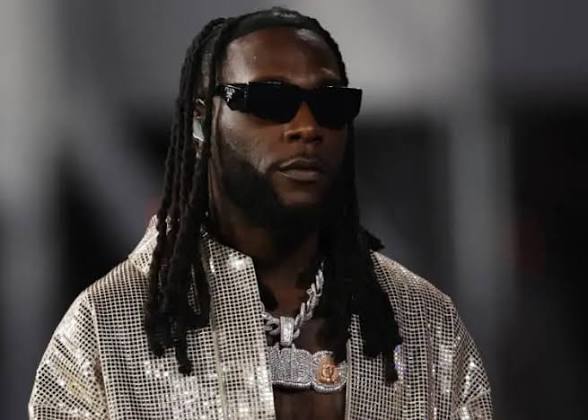
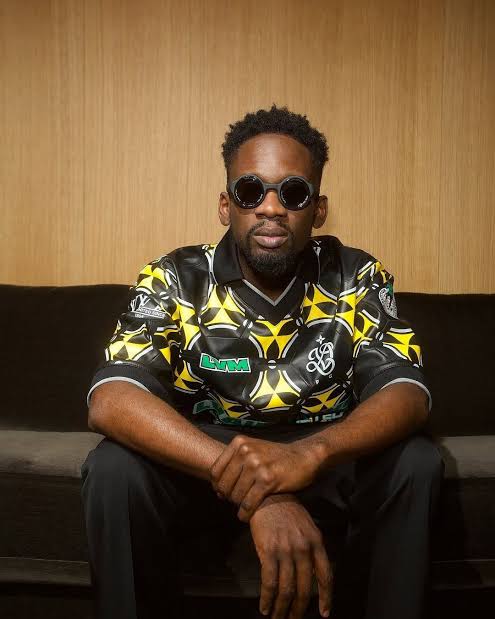
Musician Mr Eazi recently made a revelation that stopped many people mid-scroll. He admitted that for much of his early life, poverty in Nigeria wasn't something he had ever seen up close. Not because it didn't exist, but because his own world had been carefully insulated from it.
That changed the day he visited his best friend, Ekene. What he walked into shook him. Five children sharing a single room with their uncle. No space. No privacy. Just bodies trying to survive together in a cramped corner of a house. The kind of arrangement where sleeping on the floor is not a choice but a given. Where every sound travels. Where there is no such thing as being alone.
Mr Eazi's own upbringing stood on the opposite end of the spectrum. He grew up in a four-bedroom home with three separate living rooms. Four cars in the driveway. His family didn't just own their house, they owned the houses beside them and across the street. To a child growing up in that environment, having space was not a luxury. It was simply normal. He had no reason to question it.
The contrast left him stunned. Not in a performative way. In the way that rewires how you see your own country. He wrote about the experience with tearful emojis, not for show but because the memory still carried emotional weight. How could two versions of Nigeria exist so close to each other and never touch? His story has since sparked conversations online about just how disconnected the different worlds within Nigeria can be. Not out of malice. Out of sheer geography and luck. Some people grow up never meeting anyone from the other side of the tracks. Others live their whole lives on that side and wonder if the other side even exists.
The conversation has also turned inward. Many people shared their own versions of this moment, the first time they realized that their normal was someone else's privilege. For some, it happened during university. For others, it happened when a friend visited their home and looked around in silence that spoke volumes.
Mr Eazi's honesty has been praised by many, not because he offered solutions but because he admitted ignorance. In a culture where appearing knowledgeable is often valued more than being truthful, that kind of admission takes a different kind of courage.
Source: TrendyBeatz