Judges Shouldn't Decide Election Outcomes – Obasanjo Questions Democracy in Nigeria
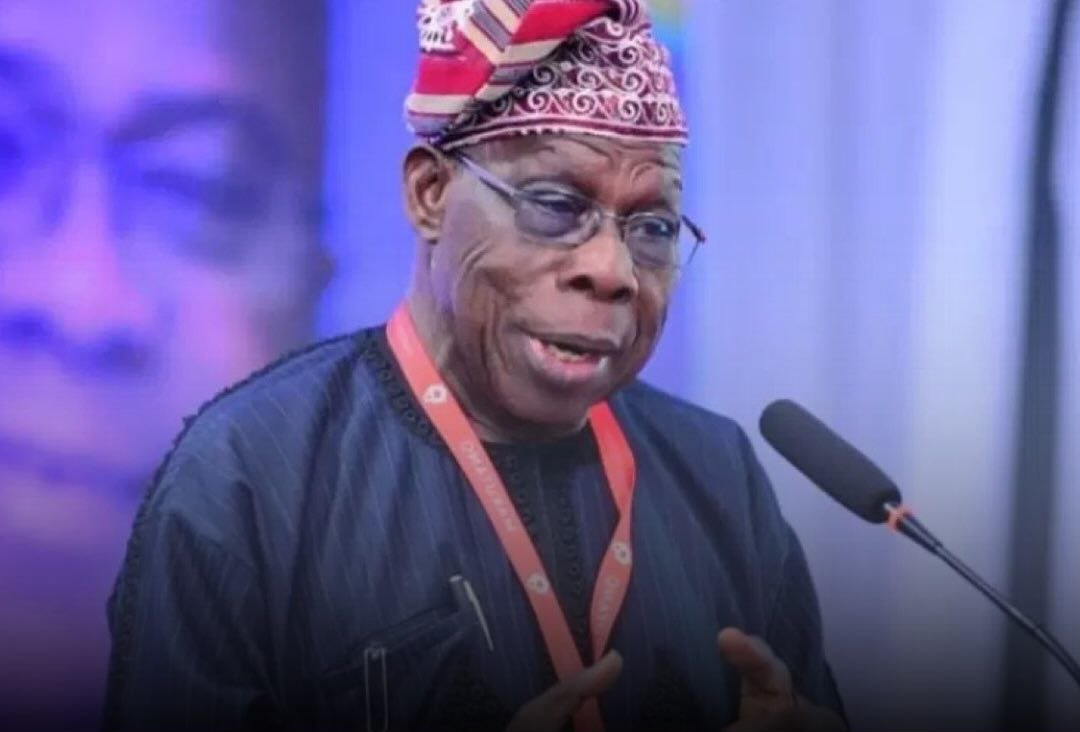
Former President Olusegun Obasanjo has raised concerns over the growing role of the judiciary in determining election outcomes in Nigeria, questioning whether democracy is being served when the votes of millions are ultimately decided by a handful of judges.
Judges Shouldn't Decide Election Outcomes – Obasanjo Questions Democracy in Nigeria

Speaking on Tuesday as chairman of the 2026 Goodluck Jonathan Foundation Democracy Dialogue at the Ahmadu Bello International Conference Centre in Bauchi, Obasanjo delivered a pointed critique of Nigeria's democratic practice.
The dialogue, themed "Beyond Elections: Can Political Parties and Judiciary Save African Democracy?", brought together political leaders, statesmen, scholars, and democracy advocates from Nigeria and other African countries.
In his address, Obasanjo declared that Western-style democracy has failed Africa, calling for a model rooted in African history and values rather than the current system, which he argued leaves too much power in the hands of the judiciary.
The former president's remarks come at a time when Nigeria's judicial system has increasingly become the final arbiter of electoral disputes, with courts frequently overturning the results of elections at various levels.
Obasanjo questioned whether it is democratic for a small group of judges to determine the outcome of elections involving millions of voters, suggesting that such a practice undermines the will of the people and creates a system where the ballot box is not the ultimate authority.
His critique echoes a growing sentiment among political observers who have expressed concern over the increasing judicialisation of politics in Nigeria, where election outcomes are often decided by legal technicalities rather than the expressed will of voters.

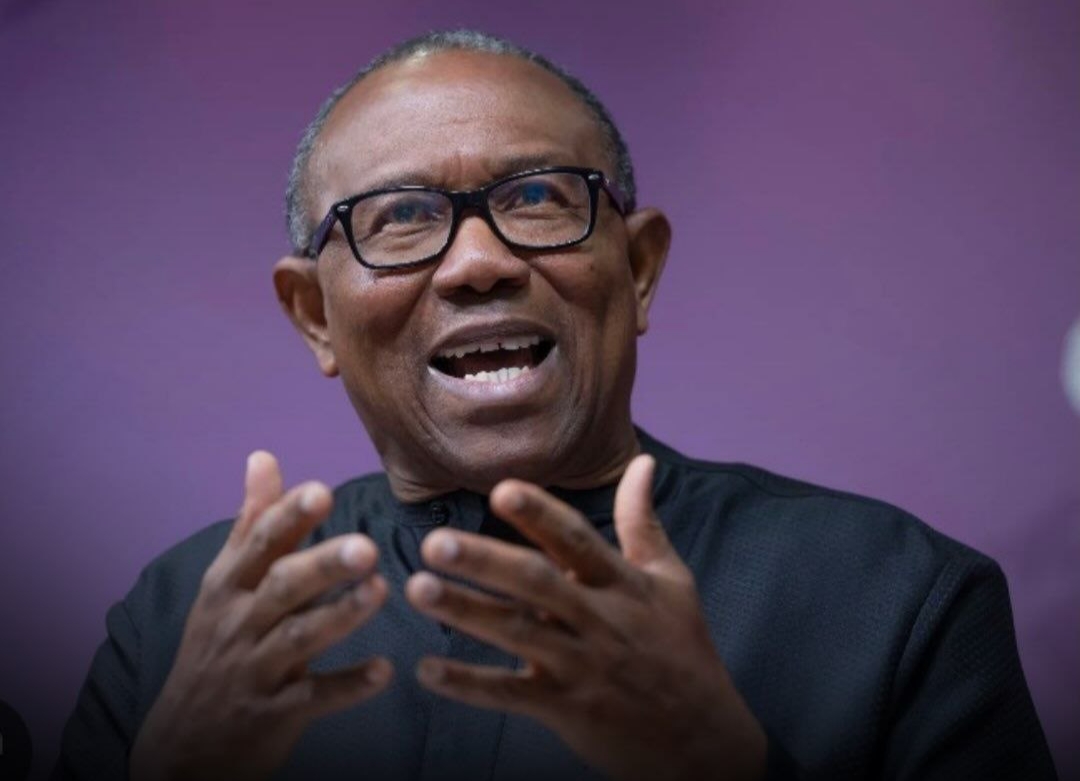
The forum also featured contributions from other prominent figures, including former presidential candidate Peter Obi, who alleged that academics, lawyers, judges, and religious leaders had all contributed to Nigeria's institutional decay.
Both Obasanjo and Obi called for a wholesale overhaul of Nigeria's democratic institutions, arguing that the current system has failed to deliver good governance and has instead entrenched a culture of impunity and electoral manipulation.
Their remarks reflect a broader frustration with Nigeria's political system, where elections are frequently marred by irregularities, violence, and legal disputes that often leave the final outcome in the hands of the judiciary.
Obasanjo's critique of the judiciary's role in elections is significant given his own history as a former military head of state who later transitioned to civilian rule.
His call for a "homegrown" democracy is likely to resonate with those who feel that Nigeria's current system, borrowed from the West, has not adequately addressed the country's unique challenges.
As Nigeria prepares for the 2027 general elections, the debate over the role of the judiciary in electoral outcomes is expected to intensify, with many calling for reforms that would reduce the influence of courts in determining election results.
For now, Obasanjo's remarks have added fuel to an already heated conversation about the future of democracy in Nigeria.
Source: TrendyBeatz