"Esu Is the Devil" – Brymo Fires Back at Wole Soyinka, Sparks Heated Theological Debate
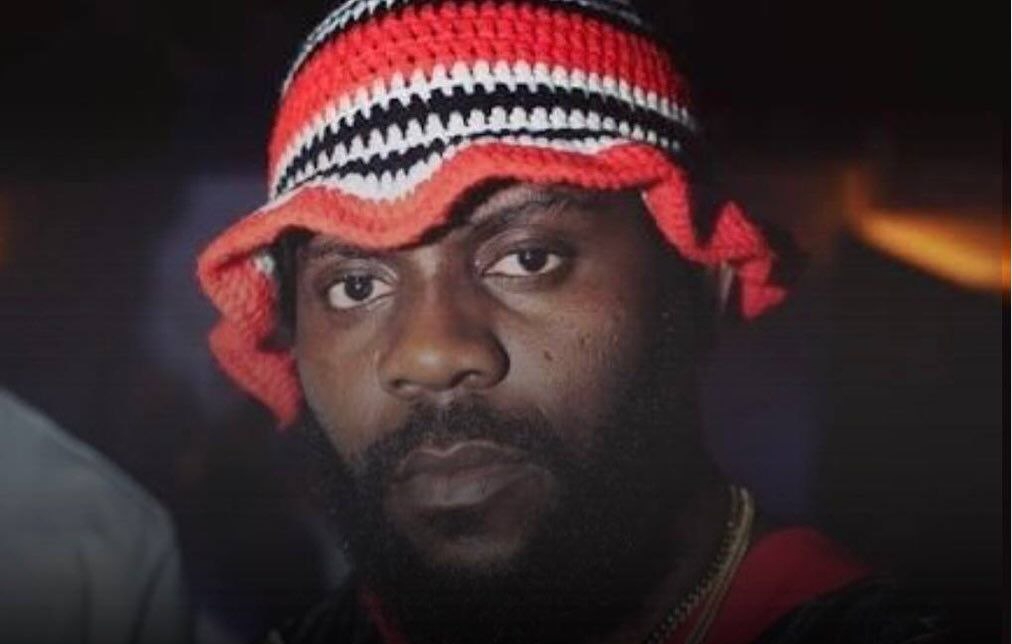
Nigerian singer Brymo has stirred fresh controversy after challenging Professor Wole Soyinka's interpretation of Yoruba theology, insisting that Esu and Satan represent the same spiritual concept across different religious traditions.
"Esu Is the Devil" – Brymo Fires Back at Wole Soyinka, Sparks Heated Theological Debate

Brymo has never been one to shy away from controversy, and his latest theological dispute with Nobel laureate Professor Wole Soyinka has set social media ablaze with passionate arguments from both sides. During a philosophical and religious conversation aired on Yanga 89.9 FM, the singer pushed back against Soyinka's long-held assertion that Esu should not be conflated with Satan. Brymo disagreed strongly and without hesitation, arguing that Esu and Satan represent the same underlying spiritual concept across different religious traditions. "Esu is the devil. And let me tell you the truth, the devil does not lie. Human beings lie. Human beings are deceptive," he stated emphatically, making it clear that he was not going to back down from his position. The singer drew on interpretations from both Abrahamic and Yoruba religious texts to back his argument, suggesting that comparable figures recur across various belief systems as messengers or testers of human conduct. He pointed to the Old Testament, noting that Satan was portrayed there as a messenger sent to evaluate the quality of human behavior, not as an inherently evil being but as a tester of faith and morality. Extending the comparison to Islamic and Yoruba cosmology, Brymo insisted that the figures described in these traditions ultimately fulfill the same role as divine messengers with the responsibility of testing human beings. He noted that just as Islamic teaching holds that Allah created Satan from fire, Yoruba tradition similarly describes Esu as a messenger of the gods, essentially representing the same narrative across cultures and belief systems. Brymo rounded off his argument by shifting the blame for wrongdoing from spiritual entities to human choices, a point that many of his supporters found refreshing and thought-provoking. He observed that people are quick to demand gratitude and give thanks when good things happen to them, yet they are equally quick to attribute their offenses or misdeeds to Esu or the devil rather than taking personal responsibility for their actions. In his view, this tendency to shift blame is a human flaw that has nothing to do with any spiritual being, and he challenged his listeners to reflect on their own behavior before pointing fingers at forces they do not fully understand. His comments have sparked a fierce and ongoing debate among Nigerians, with some praising him for his bold theological stance and others accusing him of oversimplifying complex Yoruba spiritual concepts that have existed for centuries.
Professor Soyinka has not responded to Brymo's remarks, and he may choose to ignore them entirely given his stature and the fact that he has debated these issues before. But the debate has already taken on a life of its own on social media, with Nigerians from all walks of life weighing in on whether Esu is truly the equivalent of Satan or whether the two figures serve different roles in their respective belief systems. Some have pointed out that Yoruba cosmology is far more nuanced than Brymo's interpretation suggests, while others have defended him, arguing that he is simply saying out loud what many people already believe but are afraid to say. Brymo has made his position clear, and he stands by his interpretation without apology. Whether his arguments will change anyone's mind is uncertain, but he has certainly succeeded in getting people to think more deeply about their spiritual beliefs and the cultural assumptions that shape them.
Source: TrendyBeatz