"No One Is Forced to Be in Lagos" – Daniel Regha Tells Non-Indigenes to Build Their Home States
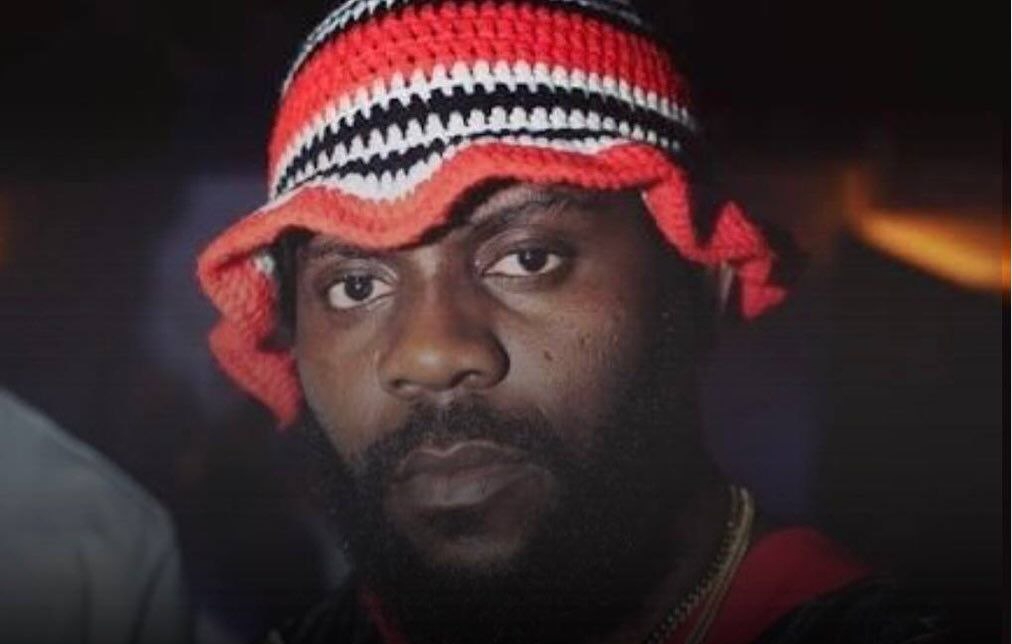
Media personality Daniel Regha has stirred controversy by telling non-indigenes living in Lagos that no one forced them to be there and that they should focus on developing their home states instead.
"No One Is Forced to Be in Lagos" – Daniel Regha Tells Non-Indigenes to Build Their Home States

Daniel Regha has never been one to shy away from sensitive topics, and his latest comments about non-indigenes in Lagos have sparked a fierce debate online. The media personality took to X (formerly Twitter) to share his thoughts, arguing that the constant complaints about Lagos from people who are not originally from the city are tiring. "No one is forced to be in Lagos. If you are not from here, go back to your state and build it. Stop complaining about a place you chose to come to," he wrote. His post quickly went viral, attracting both strong support and harsh criticism from different quarters. Regha's comments tap into a long-standing tension in Lagos between indigenous Yoruba residents and the large population of Igbo, Hausa, and other non-indigenous Nigerians who have made the city their home for generations. While Lagos is undeniably the economic capital of Nigeria, attracting millions of migrants seeking opportunities, many indigenes have complained that the city has become overcrowded and that non-indigenes do not respect the local culture and leadership. Regha's statement echoed these sentiments, suggesting that non-indigenes should either accept Lagos as it is or return to their ancestral homes and work to develop them. The online space has been sharply divided over Regha's statement. Some Nigerians agreed with him, arguing that people from the South-East and other regions complain endlessly about Lagos while refusing to invest in their own states. They pointed to the massive wealth of Igbo businessmen in Lagos, asking why they cannot channel some of that wealth back to their home regions to create jobs and infrastructure that would reduce the need to migrate. Others accused Regha of promoting ethnic division and forgetting that Lagos is a Nigerian city, not a Yoruba exclusive zone. They argued that the constitution guarantees every Nigerian the right to live and work anywhere in the country, and that contributions of non-indigenes to Lagos's economy should be celebrated, not resented. Regha has not responded to the backlash, and he may not need to. His statement was clearly provocative, and he likely expected the heated reactions that followed. Whether people agree with him or not, he has succeeded in starting a conversation about migration, development, and the responsibilities of both indigenes and non-indigenes in Nigeria's most populous city. The debate is far from over, and as Lagos continues to grow, these tensions are unlikely to disappear anytime soon.
Source: TrendyBeatz