Viral Video of Nigerian Mother and Daughters Dancing Provocatively Sparks Heated Parenting Debate Online
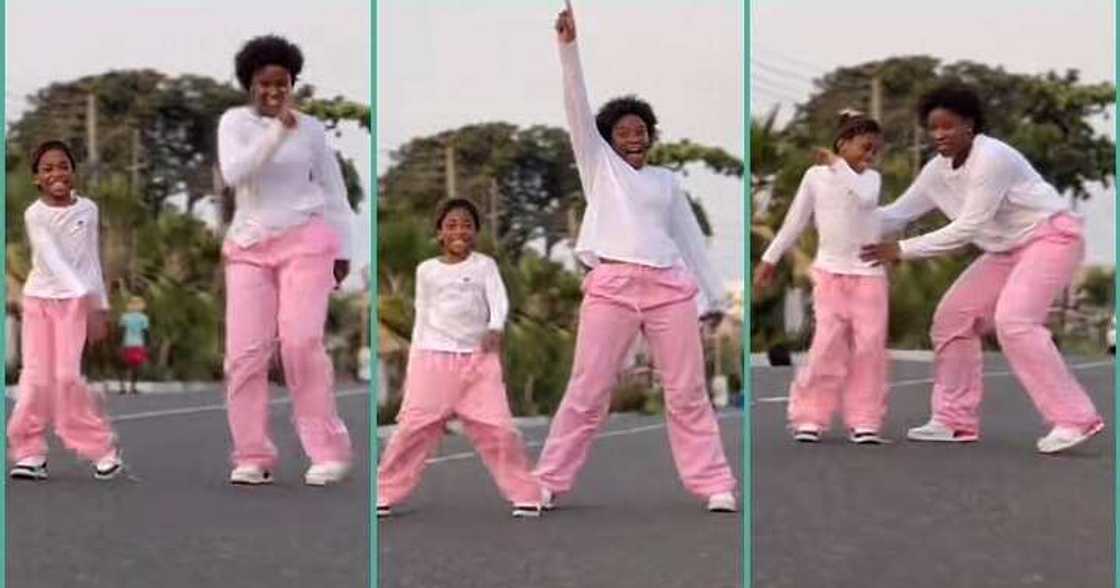
A viral video circulating on social media has sparked intense debate after showing a Nigerian mother and her young daughters performing what many viewers described as provocative dance moves, including twerking.
 Viral Video of Nigerian Mother and Daughters Dancing Provocatively Sparks Heated Parenting Debate Online
The clip, which first gained traction on platforms such as X (formerly Twitter), shows the mother proudly recording and showcasing her daughters as they perform a coordinated dance routine. While some viewers interpreted the video as playful family bonding and modern dance expression, others criticised it heavily, arguing that the content was inappropriate for children and reflective of poor parenting judgment.
As the video spread, it quickly became a talking point across Nigerian social media spaces, with users divided on whether the performance was harmless entertainment or a form of early sexualisation of minors. Critics expressed concern that exposing children to sexually suggestive dance styles and sharing such content publicly could have long-term implications for their development and online safety.
Some commenters linked the trend to the growing influence of short-form video culture on platforms like TikTok, where dance challenges often include energetic body movements that can be interpreted differently depending on context. Others, however, insisted that regardless of platform trends, parents still bear responsibility for setting boundaries around what is appropriate for children. Also, people should refrain from sharing the video, as it contributes to the problem at hand.
The incident has once again revived broader conversations about parenting in the digital age, especially the concept of “sharenting”, where parents share extensive content about their children online. Concerns about consent, exposure, and digital footprints have become increasingly central to such discussions.
While defenders of the video argue that it may simply reflect confidence, creativity, and cultural dance expression, critics maintain that public perception and child safeguarding must take priority.
Source: TrendyBeatz