Power Sector Overhaul: Tinubu Approves NGN 3.3 Trillion Legacy Debt Settlement to Boost Electricity Supply in Nigeria
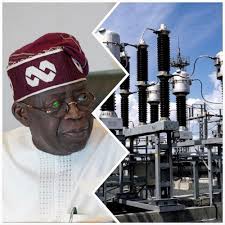
President Bola Ahmed Tinubu has approved a NGN 3.3 trillion payment plan to settle long-standing debts in Nigeria’s electricity sector, a move designed to stabilise power generation and help end the country’s persistent blackout crisis. The approval follows a comprehensive verification of claims accumulated over more than a decade and marks one of the most ambitious interventions in the sector’s troubled history.
 Power Sector Overhaul: Tinubu Approves NGN 3.3 Trillion Legacy Debt Settlement to Boost Electricity Supply in Nigeria
In a significant policy action aimed at tackling Nigeria’s chronic electricity challenges, President Tinubu has authorised the settlement of NGN 3.3 trillion in legacy debts owed under the Presidential Power Sector Financial Reforms Programme. These liabilities, which accumulated between February 2015 and March 2025, have hindered investment and limited reliable power generation for years.
According to an official statement issued by the Presidency and signed by Bayo Onanuga, Special Adviser to the President on Information and Strategy, the amount represents the total verified obligations after a meticulous reconciliation process. Implementation of the settlement has already begun.
So far:
15 power generation plants have signed settlement agreements worth approximately NGN 2.3 trillion.
The Federal Government raised NGN 501 billion from a special bond issuance to initiate the repayment process.
NGN 223 billion has already been disbursed to power sector companies, with additional funds to be released in phased tranches.
These payments are intended to inject much-needed liquidity across the electricity value chain, from generation companies (GenCos) to gas suppliers, reducing financial bottlenecks that have constrained output and reliability.
Officials emphasise that the intervention is not just about clearing old debts. According to Olu Verheijen, Special Adviser on Energy to the President, the programme is part of broader reforms aimed at restoring confidence and operational stability within the sector.
Key elements of the reform strategy include:
-Ensuring gas suppliers are paid so thermal power plants can run more consistently.
-Promoting improved meter rollout and the implementation of service-based tariffs that align consumer billing with service quality.
-Prioritising electricity supply to businesses, industries, and small enterprises to support economic activity and job creation.
President Tinubu also thanked stakeholders for their contributions and announced that a second phase (Series II) of the reform programme will roll out later in the quarter.
For Nigeria, where erratic power has been a major economic and social drag for decades, this intervention could signal a turning point if it translates into more stable generation and improved service delivery. By addressing arrears and rebuilding trust in the sector, the government aims to attract fresh investments and strengthen Nigeria’s energy infrastructure over the long term.
However, while the settlement tackles the financial backlog, underlying infrastructure and systemic inefficiencies must also be addressed for Nigerians to see a marked and sustained improvement in electricity reliability, a challenge the reforms aim to tackle in subsequent phases.
Source: TrendyBeatz