There was a time when Street Pop wasn’t cool.
When media elites turned up their noses at the sound of log drums and lamba. When radio wouldn’t touch songs that smelled like Agege dust and Third Mainland bridge breeze. When the industry gatekeepers laughed at artists who came with cracked voices, aggressive prayers, and auto-tuned adlibs that sounded like hunger and hope had a baby.
But the streets never begged for validation. Instead, they flooded the system. Kicked down the doors. Forced their voices into your playlists, your timelines, your weddings, your playlists again.
And in that wild, untamed explosion of energy and angst, a genre found its home. Street Pop is a reality. It’s the soundtrack to Nigeria’s chaotic economy. Where melody is both a weapon and a wound. And now, something interesting is happening.
A new class of artists are flipping the script. They’re not just following the blueprint but mixing pain with poetry, Fuji with finesse, and lamba with logic. Some are sons of the trenches. Some are students of the genre. But all of them are architects, expanding what Street Pop can sound like, feel like, and mean. These are ten artists pushing the sound beyond survival. They’re not escaping the streets, they’re evolving with them.
Let’s talk about it.
Asake
Asake is the exception that rewrote the rule. The YBNL golden child didn’t just run the streets, he redefined them. His rise was so meteoric it felt unreal: operatic choruses, amapiano log drums, Yoruba folk harmonies, and Fuji chants fused into a signature sound that flooded the airwaves.
Where other street artistes gave us rawness, Asake gave us precision. His debut album Mr. Money With The Vibe didn’t just top charts, it made traditionalists rethink what Street Pop could be. With Work of Art and now Lungu Boy, he’s layering the music with deeper sonic ambition and theatricality, dragging the trenches to the global stage without losing their soul.
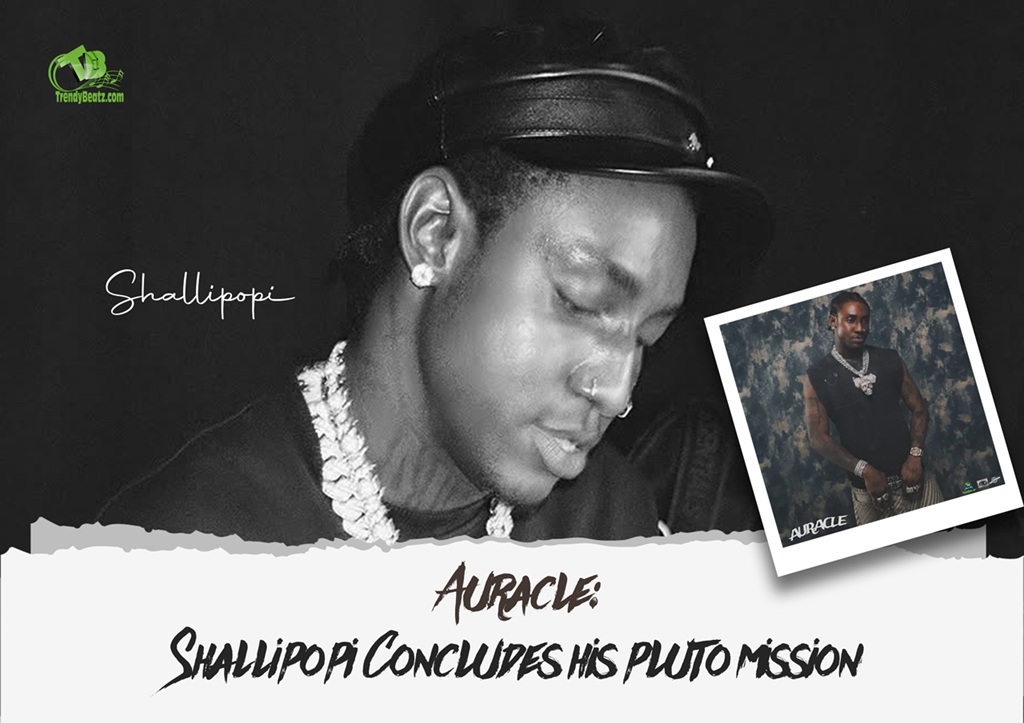
Shallipopi
What started as a joke became a movement. Shallipopi talks like Twitter, raps like WhatsApp status, and markets himself like a crypto king on Telegram. His slang-laced anthems—from “Elon Musk” to “Ex Convict”—blurred the lines between satire and seriousness.
But beyond the punchlines lies a savvy artist with a clear vision. His double album run (Presido La Pluto and Shakespopi) proved his cultural resonance wasn’t a fluke. His street lamba is surgical; his flows absurdly catchy. Shallipopi didn’t stumble into virality—he engineered it.
Seyi Vibez
If the streets had a spiritual leader, it’d be Seyi Vibez. His music is gospel in streetwear—equal parts prayer, pain, and prophecy. From the moment “God Sent” broke, his identity was clear: this was an artist who sings like he’s fighting off demons between bars.
Seyi’s run in 2023 was relentless. Albums like Thy Kingdom Come and Vibe Till Thy Kingdom Come showcased a sharpened pen, richer storytelling, and sonic diversity that stretched beyond his Fuji-heavy roots. Now, with Nahamciaga and Memory Card, he’s pushing the Afro-Adura template into new emotional territories. Every verse is a confession. Every beat, a battlefield.
Balloranking
Balloranking is the guy who stayed when everyone else left. While trends shift, he remains a torchbearer of pure street gospel, wrapping his pain and persistence around Konto rhythms and hip-hop cadences.
His Ghetto Gospel album is his thesis—an unflinching documentation of trauma, prayer, and tenacity. Balloranking doesn’t chase pop appeal. Instead, he doubles down on authenticity, telling stories that smell like petrol stations, danfo smoke, and loudspeaker crusades. His music is the Bible—if it were written in Agege.
Ayo Maff
Bariga has always bred talent—from Olamide to Lil Kesh. Now, Ayo Maff is stepping into that legacy with a voice that’s weary and wise beyond its years.
His 2024 breakout with “Dealer” featuring Fireboy DML didn’t just open doors—it introduced a storyteller with intent. Ayo Maff’s music is soaked in struggle, but told with calm clarity. His upcoming Prince of the Street debut project is already building quiet anticipation. He’s not just narrating his hood—he’s archiving it with melody and maturity.
TML Vibez
Every scene has its prodigy. TML Vibez is Seyi Vibez’s understudy turned co-conspirator. Signed to Vibez Inc, he quickly went from unknown to unavoidable, dropping hits like “Goated,” “Wells Fargo,” and “Bandana.”
TML’s voice carries that same Afro-Adura anguish—blending soft crooning with coded lamentation. But he’s also experimenting more with pop aesthetics, stretching the formula into catchier, more upbeat directions. The foundation is street, but the packaging is premium. He’s not trying to escape the trenches—he’s just redecorating them.
Rybeena
Rybeena’s rise has been subtle, but undeniable. From “Id.Me” to “New Taker,” he’s mastered the art of sounding introspective without being moody, confident without being cocky.
He’s got the voice of someone who’s seen too much, and the pen of someone who’s still processing it. Olamide’s co-sign gave him visibility, but Rybeena’s staying power lies in his songwriting—each verse feels like it was cut from a personal diary. If the street ever had a philosopher, it’d sound like this.
Barry Jhay
Before it was trendy to fuse Fuji with Street Pop, Barry Jhay was there—grieving, singing, and praying in melody. The son of Ayinde Barrister, Barry inherited a lineage of musical spirituality and carved his own path with songs like “Aiye” and “Japa.” While newer voices dominate Gen Z’s trenches, Barry Jhay remains the elder statesman of pain-infused pop. His music isn’t desperate for hits—it’s desperate to heal. And in an age of fast fame, his consistency is almost radical.
T.I. Blaze
T.I. Blaze blew up by accident. “Sometimes” wasn’t meant to be an anthem—it was a cry for help. But that song’s brutal honesty caught fire, and since then, he’s refused to compromise the vulnerability that made him special.
2023’s Dangerous Wavy Baby solidified his niche: soft-spoken storytelling with sonic elegance. In 2025, Blaze still sounds like your neighbour’s diary with a beat. He’s not loud, but he’s listened to. And in a scene where everyone is shouting, that’s a gift.
Shoday
In a world of punchlines and percussion, Shoday is smooth emotion. His breakout “Casablanca” with Ayo Maff brought romance to the rugged, and every song since has leaned into that melodic tenderness.
Where others chant, Shoday croons, where they cry, he seduces. But his work still carries the DNA of the streets—just repackaged in velvet melodies and soft drums. Shoday is showing that even in Street Pop, there’s space for softness.

Comments (0)
No comments yet. Share your thoughts below.
Leave a comment