The Missing Piece in Africa’s Pursuit of World Cup Glory
Africa has never lacked world-class footballers. What it has lacked are the systems needed to turn exceptional talent into World Cup champions. As the continent delivers its strongest-ever World Cup performances, one question has never felt more relevant: is Africa finally building the foundation needed to lift football’s greatest prize?

Every World Cup produces its own defining images. For Africa, they have often been moments that feel simultaneously triumphant and heartbreaking. Roger Milla dancing by the corner flag in Italy. Asamoah Gyan collapsing after missing the penalty that could have taken Ghana into the semi-finals. Achraf Hakimi calmly converting the decisive Panenka against Spain before Morocco rewrote history in Qatar.
These are moments that remind the continent how close it has come. Yet, nearly a century after the FIFA World Cup began, no African nation has lifted the trophy. The world's biggest football prize has remained the preserve of Europe and South America, despite Africa consistently producing footballers who rank among the finest of their generations.
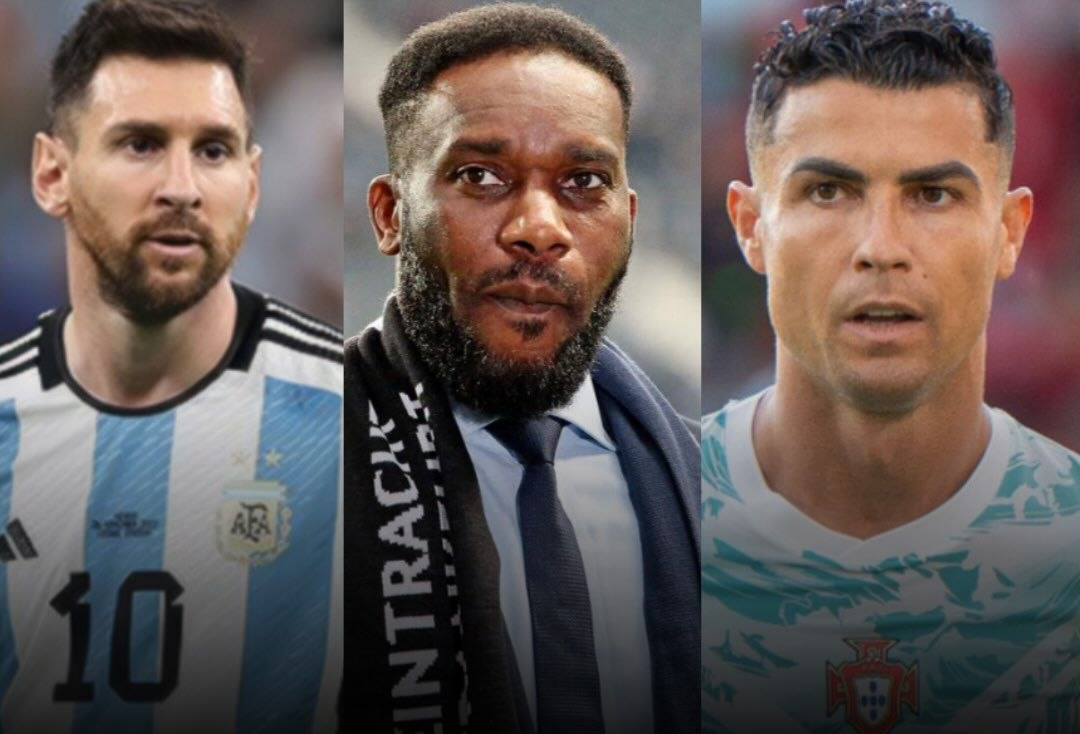
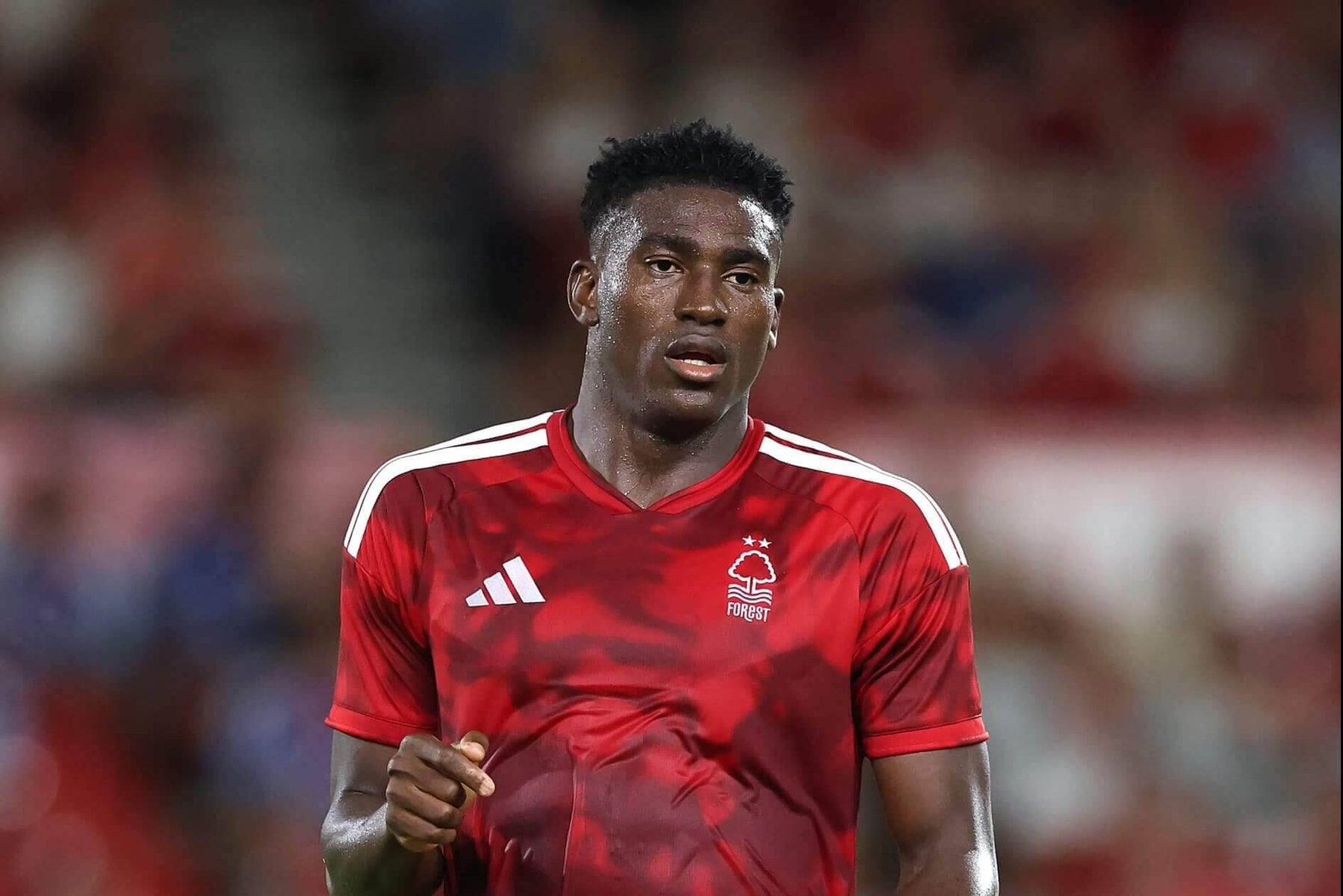
That contradiction has always been fascinating. How can a continent capable of producing George Weah, Jay-Jay Okocha, Didier Drogba, Samuel Eto'o, Yaya Touré, Mohamed Salah, Sadio Mané and Victor Osimhen still be waiting for its first world champion?
The obvious answer is that the World Cup is simply too difficult to win. The better answer is that football matches are won by players, but World Cups are won by systems.
The history of African football at the tournament reflects this distinction. Every breakthrough has expanded the continent's ambitions. Cameroon became the first African nation to reach the quarter-finals in 1990, proving that teams from the continent could compete with football's traditional powers over the course of an entire tournament. Senegal repeated that achievement twelve years later. Ghana came agonisingly close to going one step further in 2010 before Luis Suárez's infamous handball and the subsequent penalty miss ended the dream. Then Morocco arrived in Qatar and shattered another barrier by becoming the first African side to reach the semi-finals.
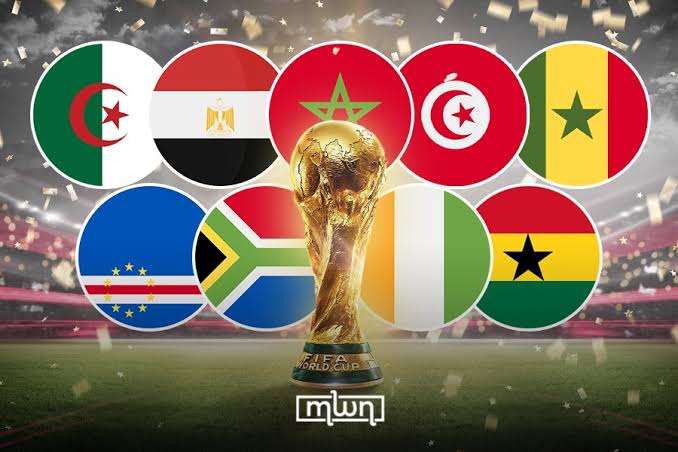
Those milestones were significant for reasons beyond symbolism. Every deep World Cup run strengthened Africa's position within global football. As the continent demonstrated greater competitiveness, its influence grew. The expanded 48-team World Cup in 2026 has given Africa ten qualification places, its highest representation in the tournament's history. While FIFA's expansion was global, Morocco's historic campaign reinforced the belief that African football deserved greater visibility on the sport's biggest stage.
This year's tournament has done little to challenge that argument. African teams have looked increasingly comfortable against elite opposition. Morocco have continued to show the tactical discipline that defined their 2022 campaign. Egypt have produced mature performances under pressure. Algeria have demonstrated resilience. Ghana have frustrated higher-ranked opponents, while countries like Cape Verde and DR Congo have shown that the gap separating Africa from established football powers continues to narrow.
For perhaps the first time, discussions around African football at the World Cup are no longer centred on participation but possibility. But before asking whether an African nation can finally win the tournament, another question deserves greater attention.
Has Africa finally begun building football institutions capable of producing champions? For decades, discussions about the continent's World Cup struggles have focused almost entirely on talent. Yet talent has never been the problem.
The issue has been everything surrounding it. Football federations across Africa have too often been defined by instability. Stories of unpaid bonuses, delayed flights, internal disputes, political interference and last-minute coaching changes have become almost as familiar as the tournaments themselves. Instead of allowing players to concentrate exclusively on football, administrative failures have repeatedly created distractions that no elite team should encounter during the world's biggest competition.
Compare that reality with countries that consistently challenge for the World Cup.
France, Germany and Spain do not rely solely on exceptional individuals. Their success is built upon carefully designed football ecosystems. They invest heavily in coaching education, youth academies, scouting networks, sports science, analytics and long-term player development. Their national teams are simply the final products of systems that have been functioning effectively for years.
Africa, by contrast, has often attempted to compensate for institutional shortcomings with extraordinary footballers.
Sometimes that has been enough to produce unforgettable moments. It has never been enough to produce a world champion. The encouraging news is that this imbalance appears to be changing.
Morocco's run to the semi-finals in Qatar was not simply the product of an inspired manager or an unusually gifted squad. It reflected years of strategic planning by the country's football federation. Investment in infrastructure, academy football, coaching development and sports science gradually created an environment where success became sustainable rather than accidental.

Equally important was Morocco's relationship with its diaspora. Instead of waiting for talented dual-nationality players to choose the national team, the federation actively built an identity capable of attracting them. Footballers developed in Europe's most sophisticated academies became central to Morocco's long-term vision, strengthening the squad while preserving a strong national identity.
Other African countries have begun embracing similar approaches. Algeria, Senegal, DR Congo and Côte d'Ivoire have all intensified efforts to recruit players eligible through family heritage. Many of these footballers have spent their developmental years inside elite European academies before bringing that education back to African national teams.
This shift represents more than improved recruitment.
It reflects a growing recognition that international football has become increasingly global. Identity and opportunity no longer exist in isolation. African nations are beginning to combine local talent with diaspora experience, creating squads that are tactically richer and technically stronger than previous generations.
The results are already becoming visible. Africa entered the 2026 World Cup with a record number of participants, but quantity alone tells only part of the story. The performances have arguably been even more significant. Several African teams have advanced beyond the group stage, while others have pushed established football nations to their limits. Collectively, the continent has produced its strongest World Cup showing to date.

That does not automatically make an African nation the favourite to win the tournament. There are still structural gaps to close. Domestic leagues require further investment. Coaching pathways need continued improvement. Governance must become more transparent and professional. Football development cannot revolve solely around qualification campaigns every four years. It must become a continuous national project.
Yet something important has changed. African teams increasingly step onto the pitch believing they belong there. That confidence matters.
For decades, victories over football's traditional powers were treated as extraordinary upsets. Morocco's victory over Portugal in 2022 challenged that mentality. It suggested that history offers no guarantees once ninety minutes begin. Reputations can be dismantled. Giants can fall.
The next challenge is ensuring that belief becomes permanent rather than occasional.
Winning a World Cup will demand more than another generation of exceptional footballers. Africa has already produced plenty of those. What it needs now are football institutions capable of matching the ambition of the players they represent. When that finally happens, the conversation will no longer be whether Africa can win the World Cup. It will simply become a question of when.
Source: TrendyBeatz