“Don’t Blame the People for Adapting. Blame the System for Making Education Feel Like a Bad Investment” - Mary Njoku Speaks on ‘Olodo Uprising’
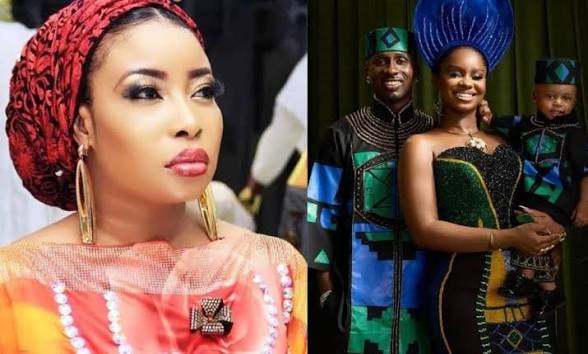
Nollywood actress and filmmaker Mary Njoku has weighed in on the ongoing “Olodo uprising” debate, arguing that the issue goes far beyond ignorance. According to her, the real problem is a system that has gradually devalued education.

Nollywood actress and filmmaker Mary Njoku has given her two cents on the ongoing “Olodo uprising” conversation, urging Nigerians to stop mocking people and rather focus on the deeper issues affecting the country’s education system.
In a strongly worded social media post, Mary has argued that what many have described as an “Olodo uprising” is not a celebration of ignorance but the consequence of years of neglect and the declining value placed on education.
“Stop calling it an ‘Olodo uprising.’ What’s happening isn’t a celebration of ignorance. It’s the consequence of a country that has steadily devalued education, excellence, and intellectual achievement.”

The actress noted that many Nigerians dedicate years to earning first-class degrees, master’s degrees, and even PhDs, only to face unemployment or jobs that do not provide a decent standard of living. According to her, when survival becomes more important than qualifications, people naturally gravitate toward opportunities that offer financial rewards, regardless of whether those opportunities are tied to knowledge.
“You cannot expect people to spend years studying, graduate with first-class degrees, master’s degrees, even PhDs, and then struggle to find meaningful opportunities or earn a decent living. When survival becomes the priority, people will naturally go where the opportunities are.”
Mary stressed that ordinary Nigerians should not be blamed for adapting to the realities they face.
“Don’t blame the people for adapting. Blame the system for making education feel like a bad investment.”
Her remarks have since sparked widespread reactions online, with many agreeing that the conversation should shift from ridiculing individuals to addressing the economic challenges that many educated Nigerians are facing regardless of their academic achievements. Others, however, argued that education even if not formal and continuous self-development remain valuable regardless of the country’s current economic realities.
Source: TrendyBeatz