Reno Omokri Claims Nigeria’s Transport Infrastructure Made Uber’s Business Model Difficult
Ambassador Reno Omokri has offered his explanation for Uber’s struggles in Nigeria, arguing that the country’s developing transportation infrastructure, particularly in Lagos and Abuja, made the company’s original business model more difficult to sustain.
Reno Omokri Claims Nigeria’s Transport Infrastructure Made Uber’s Business Model Difficult

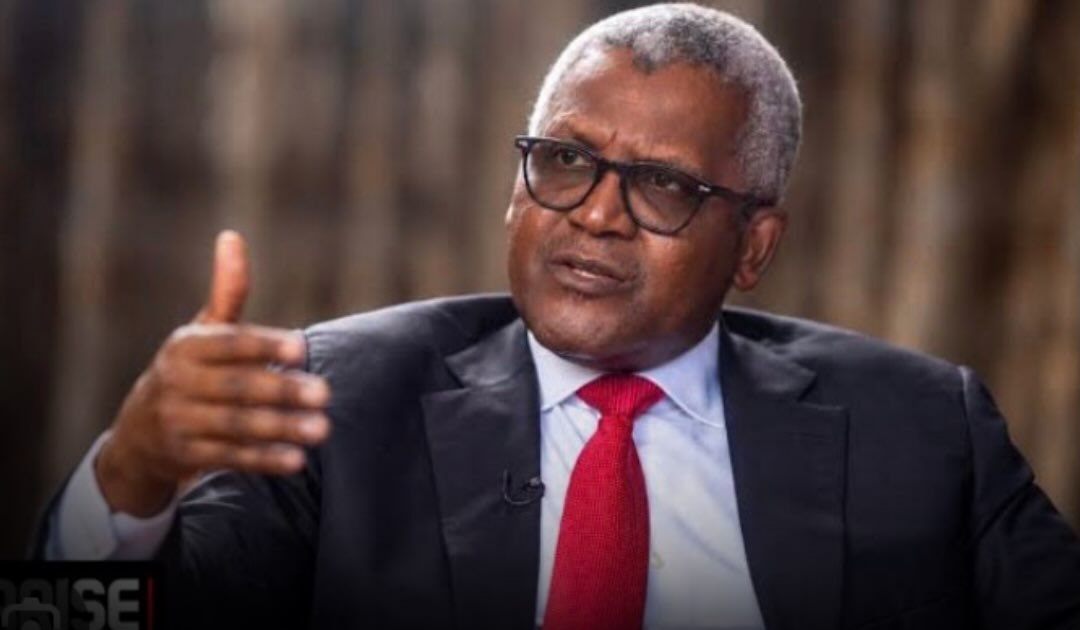
Reno Omokri has attributed Uber’s decision to leave Nigeria to what he described as the country’s increasingly advanced transportation infrastructure. Speaking during an interview on Channels Television, Omokri argued that Uber’s model depends heavily on entering markets where it can provide affordable, mass transportation and compete directly with traditional taxi services.
According to him, developments in major Nigerian cities have changed the environment in which that model operates, particularly as alternative forms of transportation have continued to grow.
Explaining his position, Omokri used Lagos as his main example and described Uber’s approach as a low-ticket transportation model designed to attract a large number of passengers.
He said the company typically enters a market by providing transportation that can compete with existing taxis on convenience and price.
“The business model that Uber has is that they come into your country and then they bring about mass, low-ticket transportation, so that they price out the regular taxis,” he said, arguing that this approach has worked in several countries, including the United States and the United Kingdom.
Omokri’s argument centres on the idea that transportation in Lagos has evolved considerably over the years. The city has a large network of taxis, buses, motorcycles in permitted areas, tricycles and newer app-based transport services, while major infrastructure projects have also changed how people move around different parts of the state.
Abuja has similarly seen the growth of different transport options, giving commuters alternatives beyond traditional taxis and ride-hailing services. Omokri believes these developments have affected the environment in which Uber operates.

However, his explanation should be understood as his own assessment rather than an established official explanation from Uber for every aspect of its Nigerian business decisions.
Uber has operated in Nigeria for years and the country's ride-hailing sector has faced several challenges, including regulatory disputes, competition, driver concerns and changing market conditions.
The company’s position and the wider circumstances around its operations are therefore more complicated than simply saying that Nigerian infrastructure forced it out.
The comments have nevertheless added another angle to the conversation around Nigeria’s transportation sector. Lagos, in particular, has continued to attract companies looking to solve the city’s difficult mobility problems, with millions of residents depending on different forms of public and private transportation every day.
As new infrastructure and transport services emerge, companies have had to adjust their business models to match the realities of the Nigerian market rather than simply importing strategies that worked elsewhere.

For Omokri, the larger point is that Nigeria’s cities are not static markets and international companies have to understand how quickly the environment can change.
His argument suggests that improvements in transport infrastructure and the presence of competing services can eventually force businesses to rethink how they operate.
Whether or not that fully explains Uber’s experience in Nigeria, the comments have reopened discussion about the changing face of transportation in Lagos and Abuja.
Source: TrendyBeatz