"If You're Yoruba and Don't Have Tribal Marks, You Are Very Poor" – Obasanjo
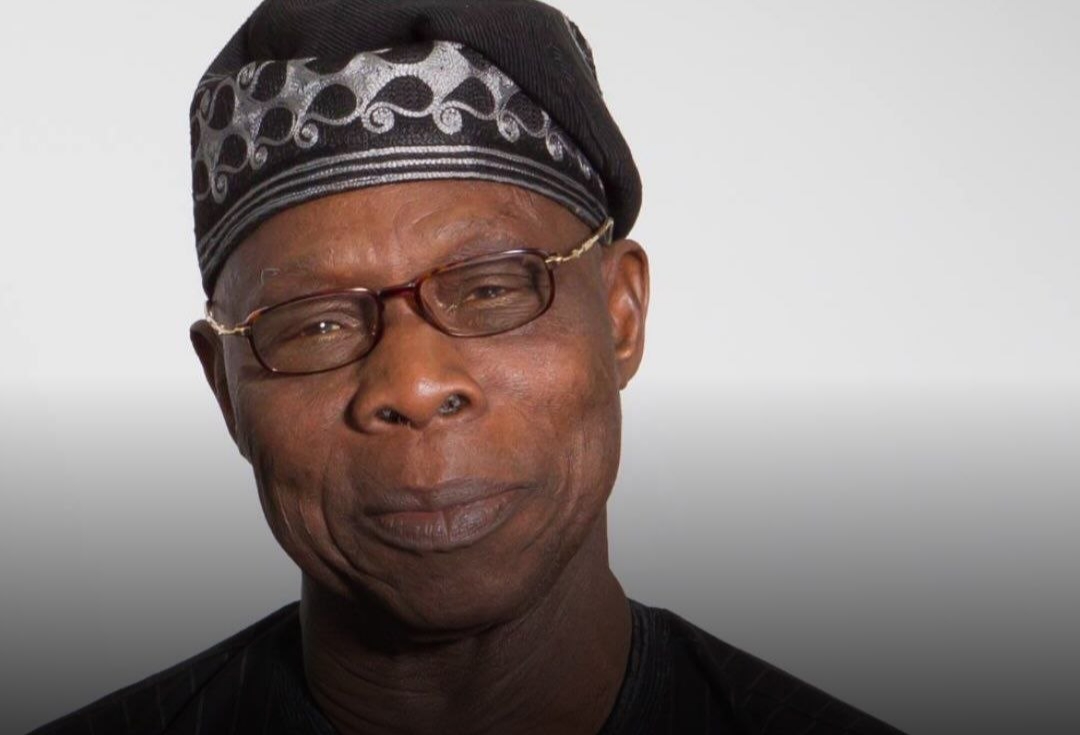
Former President Olusegun Obasanjo has shed light on the historical significance of tribal marks among the Yoruba people, explaining that the traditional markings were once used as a means of identification and that those without them were often considered poor.
"If You're Yoruba and Don't Have Tribal Marks, You Are Very Poor" – Obasanjo

Obasanjo made the remarks while speaking on the Curious City podcast, where he explained that tribal marks served an important purpose in identifying people who belonged to the same community, particularly during periods when people were captured and sold into slavery.
According to the former president, the markings made it possible for people to recognise members of their own communities even after they had been separated from their homes.
He noted that the practice was widespread and that it played a crucial role in preserving community ties.
The former president also explained that in the past, having tribal marks was considered a sign of belonging and status, while those without them were often seen as outsiders or people of lower social standing.
"If you are a Yoruba man and you don't have tribal marks, it means you are very poor," he said, clarifying that the statement was a reflection of historical realities rather than a judgment on modern society.

He emphasised that the practice has largely faded in contemporary times, and that its decline reflects the evolution of Yoruba culture and identity.
Obasanjo's comments have sparked a range of reactions on social media, with some Nigerians expressing surprise at the historical context he provided, while others criticised him for what they perceived as a derogatory statement about people without tribal marks.
The debate has also highlighted the broader conversation about the preservation of Yoruba cultural heritage and the ways in which traditional practices have changed over time.
Historians note that tribal marks were indeed used for identification purposes in pre-colonial Yoruba society and that they also served other functions, including beauty enhancement and spiritual protection.
However, the practice has been widely condemned in recent decades due to its association with child abuse and the physical pain it inflicts on children.
Many states in Nigeria have since banned the practice, and awareness campaigns have been launched to discourage it.
Obasanjo's comments, while rooted in historical context, have reignited conversations about the complexities of cultural traditions and the need to balance the preservation of heritage with the protection of children's rights.
His perspective offers a glimpse into a bygone era, even as it raises important questions about how society should navigate the tension between tradition and modernity.
Source: TrendyBeatz